
Manufacturer's Obligations under Regulation (EU) 2023/988 (GPSR): A Practical Guide
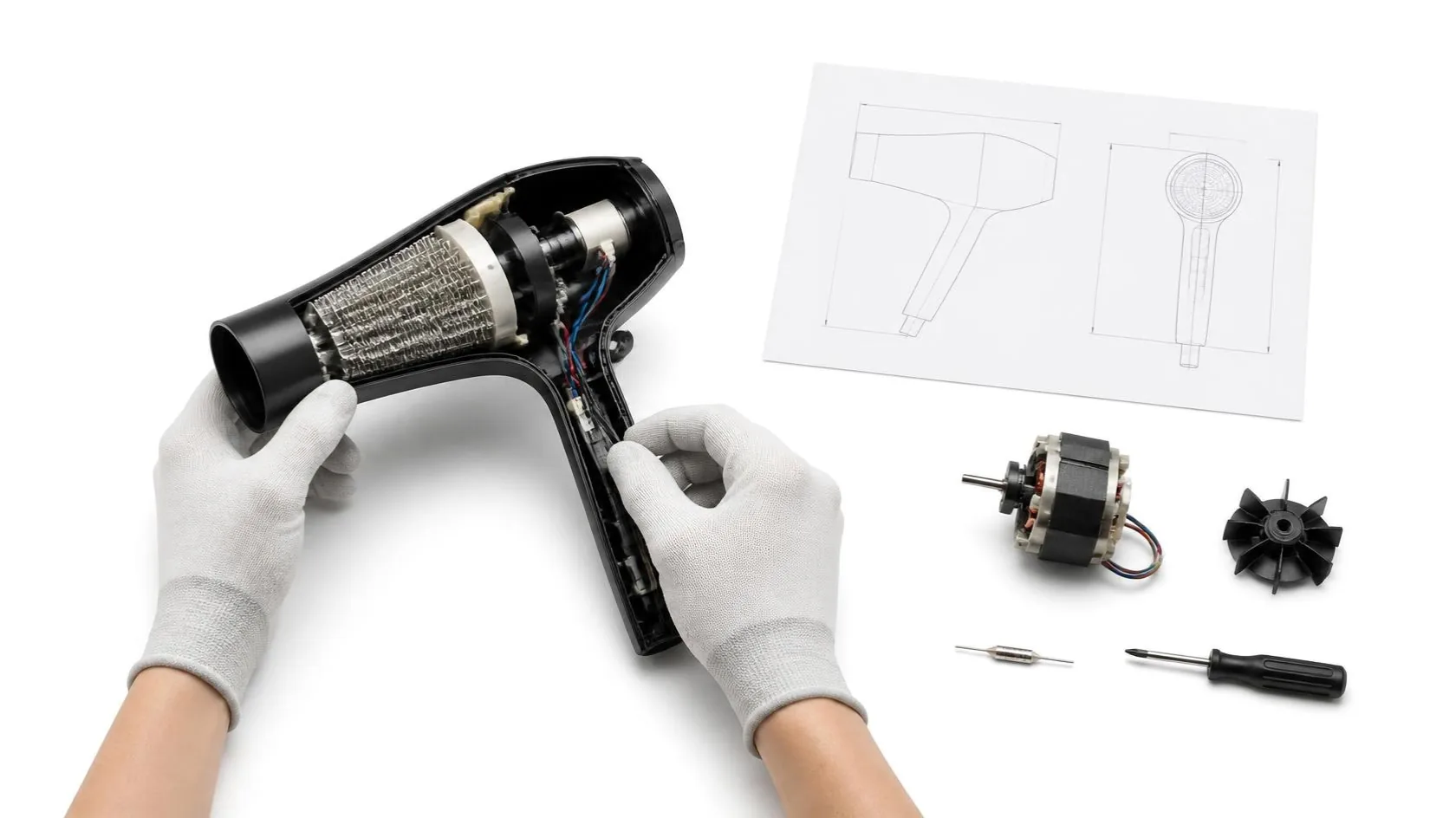
The Regulation (EU) 2023/988 (GPSR) assigns the manufacturer the primary responsibility to place only safe products on the EU market. This requires conducting a risk analysis, preparing a technical file, and ensuring full traceability for every item. Compliance is a non-delegable obligation. It is crucial to note that an importer or a distributor who markets a product under their own name or trademark is considered a manufacturer for all intents and purposes, assuming the same obligations and responsibilities.

Italy update
GPSR penalties from 16 May 2026Italian Legislative Decree No. 78 of 8 April 2026 replaced Article 112 of the Italian Consumer Code, introducing the national penalty framework connected to Regulation (EU) 2023/988.
Administrative penalties for breaches of GPSR obligations, failure to cooperate or failure to comply with authority measures.
Criminal risk in the most serious cases, for placing or making dangerous products available on the market.
This update is relevant for manufacturers, importers and distributors, because the Italian framework concerns not only placing products on the market, but also making dangerous products available on the market.
Who is the Manufacturer According to the Regulation?
Correctly identifying the role of the manufacturer in the supply chain is a strategically important step. The GPSR is not just a regulatory update; it redefines this role by assigning direct and non-delegable responsibilities to ensure consumer safety. A misinterpretation can expose a company to serious risks of non-compliance.
The “manufacturer” is defined as:
any natural or legal person who manufactures a product or has a product designed or manufactured, and markets that product under that person’s name or trademark
It is essential to note that this responsibility is not limited to those who affix their brand but also includes anyone who ‘has a product designed or manufactured,’ extending the duties to clients who outsource production.
This definition extends the figure of the manufacturer far beyond the physical production of the goods, including other economic operators who, through a simple commercial action, assume all its legal burdens.
When Does an Importer or Distributor Become a Manufacturer?
The most significant implication of the definition of manufacturer is the extension of responsibility to other operators in the supply chain. Article 13 of the regulation is unequivocal: an importer or a distributor who places a product on the market under their own name or trademark is considered a manufacturer for all intents and purposes and must, therefore, comply with all the requirements set out in Article 9.
The principle established by Article 13 is clear: an importer or a distributor who puts their brand on a product is legally equated with the manufacturer as if they managed the entire production process.
A practical example clarifies the scope of this rule. Imagine an Italian company (the importer) that commissions the production of items in China to then market them in Europe under its own brand.
For the purposes of the Regulation, the Italian company is the manufacturer. This scenario is consistent with the control procedures described in the Customs Agency’s Circular No. 16/2025, according to which goods, upon arrival at customs, may be subject to “customs controls.” In such a scenario, it will be the importer who must demonstrate the conformity and safety of the product by providing all the required technical documentation, just as if they were the actual producer.
This expanded responsibility translates into a series of specific and non-delegable duties that form the core of the required due diligence.
GPSR Manufacturer’s Obligations: The Main Responsibilities
The requirements of Article 9 form the core of the definition of the responsibilities to ensure that only safe products reach the consumer. Ignoring even one of these points not only violates the law but also exposes the company to concrete risks such as customs blocks, withdrawal orders, and penalties, with a direct impact on business continuity.
- Ensure product safety: The manufacturer must ensure that products are designed and produced in accordance with the general safety requirement, as defined in Article 5. This means that a product, under normal or reasonably foreseeable conditions of use, must not present any risk, or only minimum risks compatible with a high level of protection.
- Perform a risk analysis and draw up the technical file: It is mandatory to conduct an internal risk analysis and prepare technical documentation (technical file) which must be kept available for the authorities. The documentation must contain at least a general description of the product and its essential characteristics to assess its safety. To learn more about the methodologies and requirements, you can consult the page dedicated to risk analysis according to the GPSR.
- Ensure traceability: The manufacturer must affix to the product a type, batch, or serial number or another element that allows for its identification. If the dimensions or nature of the product do not allow it, this information must be provided on the packaging or in an accompanying document. Traceability is essential to enable quick and targeted withdrawals and recalls in case of safety problems.
- Indicate your contact information: It is necessary to clearly indicate your name, registered trade name or trademark, postal address, and email address. This information must be affixed to the product, its packaging, or in an accompanying document to ensure a single and traceable point of contact for surveillance authorities and consumers.
- Provide safety instructions and information: When necessary, the product must be accompanied by clear instructions and safety information, in a language easily understood by consumers in the Member State where it is sold, to mitigate residual risks and ensure correct and safe use of the product.
- Take corrective measures: If you believe or have reason to believe that a product placed on the market is dangerous, you must act immediately. The required actions include adopting effective corrective measures (such as withdrawal from the market or product recall), providing direct information to consumers, and promptly notifying the competent surveillance authorities through the Safety Business Gateway portal.
Frequently Asked Questions (FAQ)
1. I don’t physically manufacture the goods; I just put my brand on imported products. Am I considered a manufacturer under the Regulation?
Yes. According to Articles 3(8) and 13, anyone who markets a product under their own name or trademark assumes all the legal responsibilities of the manufacturer. This applies regardless of who physically produced the goods.
2. What must the technical file contain?
Based on Article 9(2), the technical file must contain at a minimum: a general description of the product, its essential characteristics for assessing its safety, and a list of any European standards or other technical elements (such as standards or best practices) that have been applied to meet the general safety requirement.
3. Do I need to draw up a ‘GPSR Declaration of Conformity’ for my products?
No. Unlike other harmonization regulations (e.g., CE Marking), the GPSR does not provide for a formal ‘Declaration of Conformity’. The key document that the manufacturer must create and keep to demonstrate due diligence and product conformity is the technical file.
4. What should I do specifically if I find out a product I’ve already sold is dangerous?
Article 9(8) outlines a clear and mandatory procedure. You must:
- Immediately take the necessary corrective measures, such as withdrawing the product from the market or recalling it from consumers.
- Directly inform consumers of the risk.
- Immediately notify the market surveillance authorities through the Safety Business Gateway portal, providing all details about the risk and the actions taken.
5. Is a risk analysis mandatory even for a very simple product?
Yes. The general safety obligation (Article 5) and the subsequent responsibilities of the manufacturer (Article 9), including the internal risk analysis, apply to all consumer products within the scope of the Regulation, regardless of their complexity. Every product placed on the market must be assessed to ensure it is safe.
6. I am an importer and have goods produced in China under my brand. What should I require from my supplier?
If you market a product under your own brand, you are considered the manufacturer for all intents and purposes. This means you have the primary responsibility to place only safe products on the EU market. You must require the necessary documentation from your Chinese supplier to be able to draw up the technical file and perform the risk analysis, which are activities that fall to you as the importer-turned-manufacturer.
Do you need support with your product compliance?
Don’t let the GPSR become an obstacle.
I am also available for an informal, no-obligation conversation.