Batteries Decree 29/2026: new rules for compliance and end-of-life management in Italy
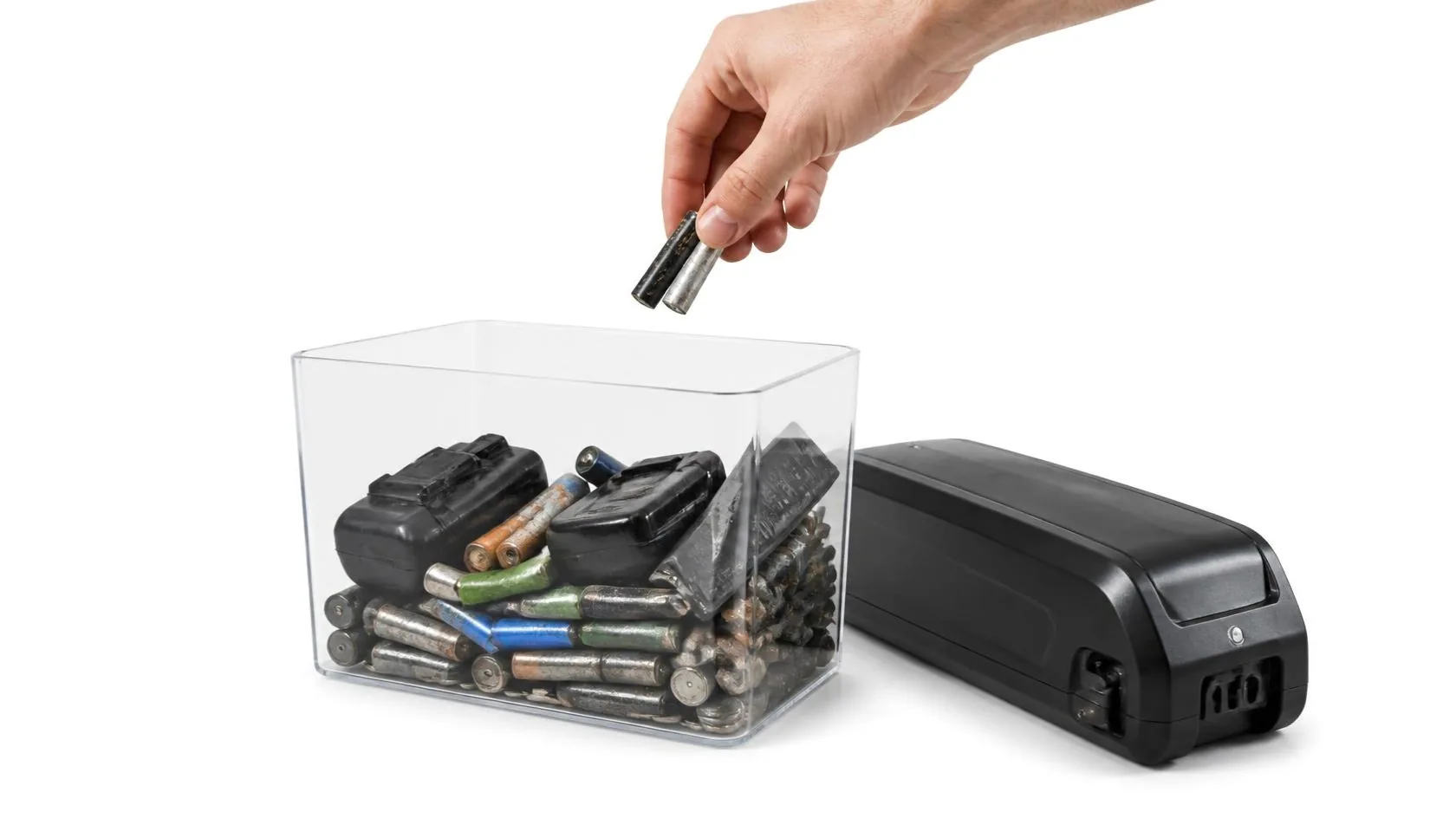
Legislative Decree 29/2026 defines the national adaptation to Regulation (EU) 2023/1542, introducing a strict sanctioning system (up to 150,000 euros) and new traceability obligations.
For economic operators, compliance now requires a documentary oversight in the Italian language and enrollment in the new national register. The oversight of the technical documentation is the first line of defense against customs blockades and administrative sanctions.

Legislative Decree 29/2026 must not be interpreted as a mere bureaucratic fulfillment, but rather as the regulatory pillar establishing the architecture of controls and sanctions in Italy for the battery sector.
By transposing Regulation (EU) 2023/1542, the decree imposes an integrated vision of compliance: from design to end-of-life management.
Failure to oversee the value chain not only entails legal risks but jeopardizes business continuity in an increasingly interconnected and regulated European market.
The national battery table and the control structure
Article 4 establishes the “National Battery Table” (Tavolo nazionale batterie), an advisory body where representatives of MIMIT, MASE, Health, Infrastructure, and Interior sit, together with technical bodies such as CEI, ISPRA, and ACCREDIA.
The institutional control structure consists of:
- The Ministry of Enterprises and Made in Italy (MIMIT) acts as the notifying authority for conformity assessment and oversees product safety;
- The Ministry of the Environment and Energy Security (MASE) coordinates waste management and Extended Producer Responsibility (EPR).
This architecture ensures that monitoring covers the entire product lifecycle.
Obligations of economic operators
1. General and communication obligations
- EU Declaration of Conformity: the EU declaration of conformity for batteries placed or made available on the market (or put into service) in Italy must be drawn up in or translated into Italian.
- CE Marking: must be affixed to the battery visibly, legibly, and indelibly. If the characteristics of the battery do not allow it, it must be affixed to the packaging or accompanying documents. It must also be followed by the identification number of the notified body, if required.
- Due diligence duty: economic operators must adopt and maintain due diligence strategies (proportionate to company size, risk, and sector of activity) to identify, prevent, and mitigate actual and potential risks related to the sourcing, processing, and placing on the market of batteries. In case of non-compliance, the market surveillance authority may impose corrective measures or, in extreme cases, restrict, prohibit, or withdraw the batteries from the market.
2. Obligations for manufacturers and importers
- Indication of contact details: both manufacturers and importers must indicate their contact details clearly, legibly, and in one or more languages easily understood by end-users and market surveillance authorities.
- Web addresses not sufficient: indicating a web address on the product or packaging does not exempt the manufacturer and importer from providing physical contact details and the information required by the EU Regulation.
3. Obligations for the authorized representative
Upon request of the market surveillance authority, the authorized representative is required to provide a copy of their mandate drawn up in Italian.
4. Specific obligations for “producers” (i.e., those who place batteries on the national market for the first time):
- Enrollment in the Register: producers are required to enroll electronically in the National Register of Battery Producers at the competent Chamber of Commerce before placing batteries on the market.
- Extended Producer Responsibility (EPR): producers bear the extended responsibility for batteries placed on the national market. They must finance and organize (individually or through collective systems/consortia) the separate collection, transport, and treatment of waste batteries.
- Achievement of collection targets: producers, individually or through collective systems, must achieve specific percentage collection targets for waste portable batteries and batteries for light means of transport, with progressive deadlines (e.g., 63% for portable ones by the end of 2027, 73% by the end of 2030).
- Financial guarantee: upon placing a battery on the market, the producer must provide an adequate financial guarantee intended to cover waste management costs in the event of non-compliance with obligations or cessation of business.
Penalties
The sanctioning system of Decree 29/2026 is designed to be dissuasive, eliminating any economic benefit derived from circumventing sustainability rules.
-
From 36,000 to 120,000 euros:
- For the producer or collective system that does not organize the system for the collection and withdrawal of waste batteries.
- For the producer who places batteries on the market without being enrolled in the National Register of producers.
-
From 10,000 to 150,000 euros:
- For the economic operator who places batteries on the market without the mandatory symbols (separate collection, heavy metals) or without a suitable EC declaration of conformity.
- For the economic operator who does not remove non-conformities within the timeframe established by the authority or does not comply with due diligence obligations.
-
From 5,000 to 100,000 euros:
- For the economic operator who places batteries on the market that do not comply with restrictions on chemical substances, carbon footprint requirements, recycled content obligations, or minimum performance and durability requirements.
-
From 2,400 to 24,000 euros:
- For individual/collective systems that do not adhere to the Battery Coordination Center.
- For owners of treatment facilities not enrolled in the specific register.
- For subjects (producers, facilities, systems) who do not communicate mandatory data to the authorities (the penalty is halved if the communication is only inaccurate or incomplete).
-
From 650 to 2,500 euros:
- For providers of online platforms (e-commerce) who allow the sale of batteries in violation of regulatory obligations.
-
From 40 to 200 euros (for each waste battery):
- For the distributor who does not perform the free withdrawal of waste batteries from consumers (even in cases of home delivery sales) or who does not hand over the withdrawn waste to authorized parties.
Frequently Asked Questions (FAQ)
What should I do if I import already CE-marked batteries from another EU country?
You must ensure that the manufacturer has fulfilled the technical obligations. As an importer, it remains mandatory to enroll in the Italian National Register and guarantee that instructions and safety information are available in Italian before placing them on the market.
Is the Italian translation of the declaration of conformity always mandatory?
Yes: Article 13 establishes that for batteries placed on the national market, the EU declaration of conformity must be drawn up in or translated into Italian. It is a mandatory responsibility of the economic operator making the product available in Italy.
What is the deadline for enrollment in the new National Producers Register?
Already registered entities must comply within 60 days of the communication of the opening date of the new electronic portal. New operators must complete enrollment before placing batteries on the market for the first time.
What are the risks for a distributor who does not properly manage waste batteries?
The distributor faces an administrative fine of 40 to 200 euros for each waste battery not withdrawn free of charge or not correctly delivered to the collection systems required by law.
Can I independently manage the waste of batteries I place on the market?
Yes, by establishing an individual system. It is necessary to present a descriptive project to MASE, demonstrating efficiency, transparency, and the capacity to cover the entire national territory to achieve the collection targets set by the Regulation.
Do you need support for your product compliance?
Don’t let compliance become an obstacle.
I am also available for an informal, no-obligation conversation.